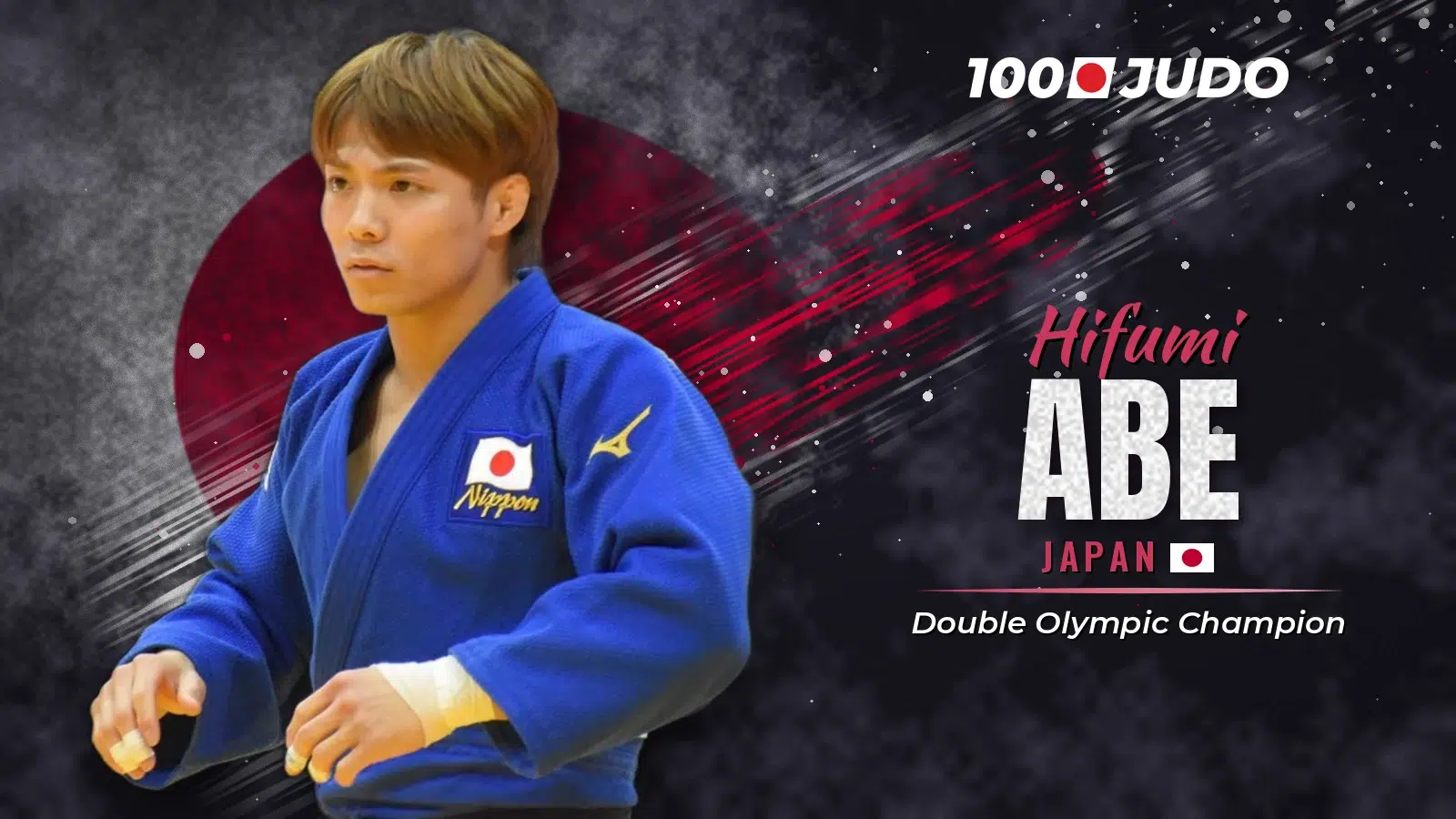
Who can actually threaten Hifumi Abe?
For most of a decade the question at U66kg was not who would win but who would get close, and the honest answer was usually Joshiro Maruyama, the one man who made Hifumi Abe‘s domestic selection fights more dangerous than his international finals. Maruyama has retired. The division has not produced an obvious successor from abroad, and yet in the past year Abe has been beaten once and taken to the final seconds twice, which is enough evidence to ask the question properly: who can actually threaten him?
Two names come with a result attached. At the 2025 World Championships Obi Dzhebov of Tajikistan countered Abe for ippon, the defeat that cost the Japanese a shot at a fifth world title and the last time anybody has beaten him. At the Grand Slam in Tokyo in December, Kim Channyeong of Korea threw Abe and led until the closing moments, when the double Olympic champion threw him back and pinned him for the win. Both results are real. Neither has been tested again, because there has been no rematch with Dzhebov and none with Kim, and a single contest, however loud, is not a rivalry. It is a warning.
Takeoka: a world champion who attacks more than Abe does
The man who fits the Maruyama role is Takeshi Takeoka, Japanese like Abe, world champion like Abe, and the one who walked off with the 2025 title while Abe settled for bronze in Budapest. When the two met at the Tokyo Grand Slam, Takeoka was the busier judoka by a distance, more aggressive and attacking more often, and Abe still won, knocking him down for waza-ari against the run of play. That is the shape of the old rivalry exactly: Maruyama pressed, Abe found the one score that mattered, and the result went to the man who understood the clock better. Oon Yeoh’s verdict on JudoInside was that another Maruyama-Abe-styled rivalry is in the cards, and the Tokyo contest is the evidence for it.
Why a domestic threat is the serious one
The difference between Takeoka and the two foreigners is exposure. Dzhebov and Kim get Abe once a year if the draw allows; Takeoka trains in the same system, fights him for selection and sees every habit up close. A rival who attacks more than you and loses by one score is the kind who eventually stops losing, and for Abe the uncomfortable truth is that the only consistent pressure on his reign has always come from inside Japan. With the World Championships in Baku in October and Los Angeles two years away, the next chapter of U66kg is less likely to be an upset from abroad than a semi final between two Japanese, and the loser of that one does not get to be world champion.
Back to the overview