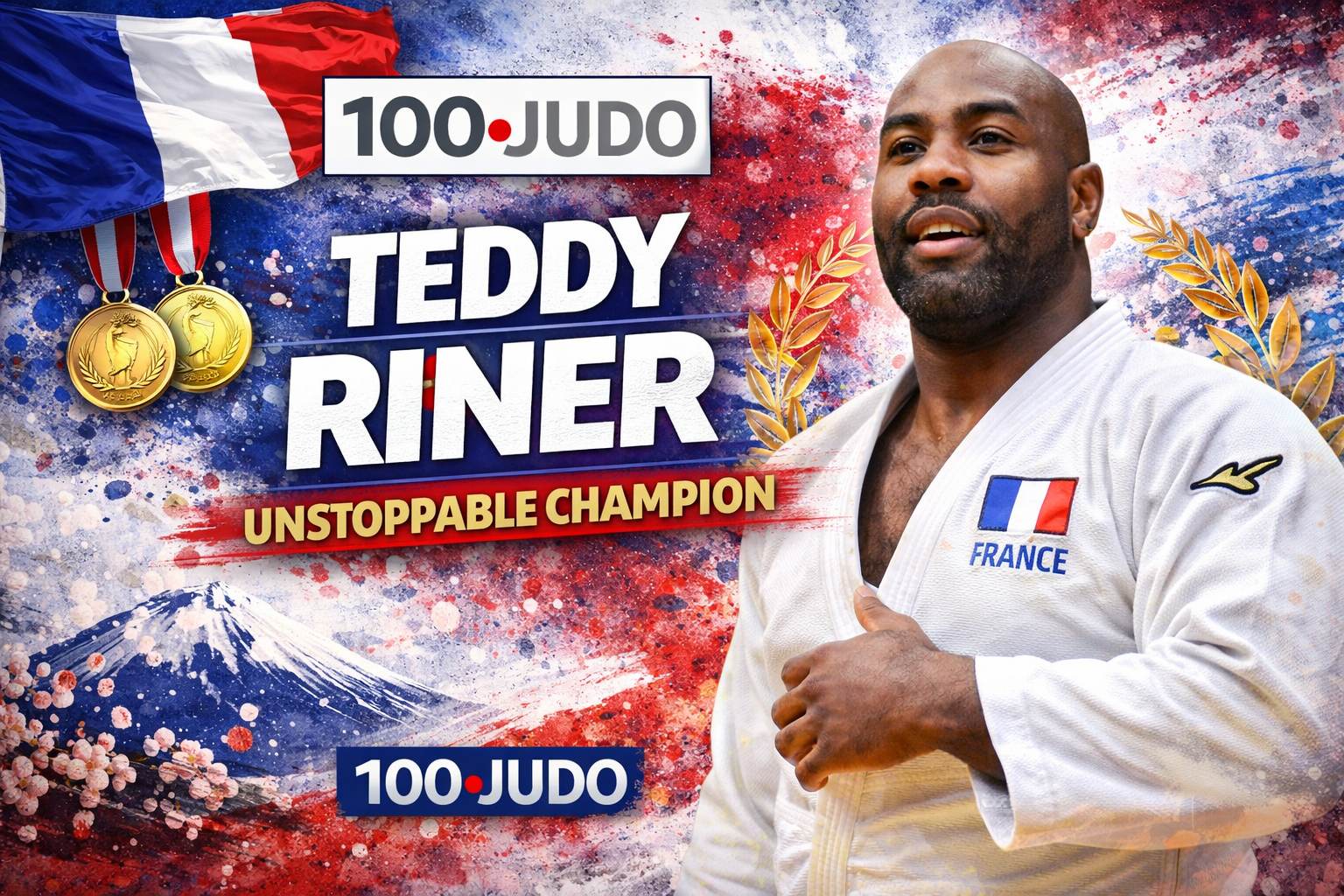
Teddy Riner modest and honest in podcast
For a long time, Teddy Riner did not feel beatable. Eleven world titles. Seven Olympic medals. Nearly twenty years at the very top of a sport that usually eats champions alive. At over two metres tall, he stopped feeling like a person on the mat and started feeling like a natural disaster. When Riner showed up, everyone else fought for silver.
That is why a recent IJF podcast stopped people in their tracks. Instead of the usual talk about power and dominance, Riner opened the door to something much more personal. What came out was not the story of an invincible giant, but of someone who has survived this sport by understanding balance better than anyone else.
Yes, judo is still the first thing on his mind every morning. But it is not his entire identity. And that matters. Away from the tatami, Riner runs his own judogi brand, appears on television, builds projects with his wife and, most importantly, shows up as a father. He does not see life outside judo as a distraction. He sees it as insurance. A way to protect his hunger so that when he steps on the mat, it is still real.
That mindset also explains how he thinks about legacy. For all his titles, Riner does not want his children to follow him into judo. Not because he does not love the sport, but because he understands the pressure of his name. He wants them free. Free from comparison. Free from expectations they did not choose. In a sport that often pushes children early and hard, that perspective feels surprisingly modern.
Another thing that stood out was how little he prepares for anything that is not judo. He does not rehearse interviews. He does not script speeches. He does not polish his image. He speaks from instinct. Some of his most recognisable branding ideas were born in moments, not meetings. There is only one place where he is obsessive. The tatami. By refusing to over organise the rest of his life, he puts all structure, discipline and focus where it counts.
Then there is injury. Before Tokyo, Riner felt unbeatable physically. Then his body reminded him that nobody is. At the time, it felt brutal. Now, he calls it a gift. He believes that if Tokyo had gone smoothly, his fire might have faded. Instead, the setback forced him to keep chasing, to keep questioning himself. That chase led him all the way to Paris 2024. In his eyes, failure did not derail his career. It extended it.
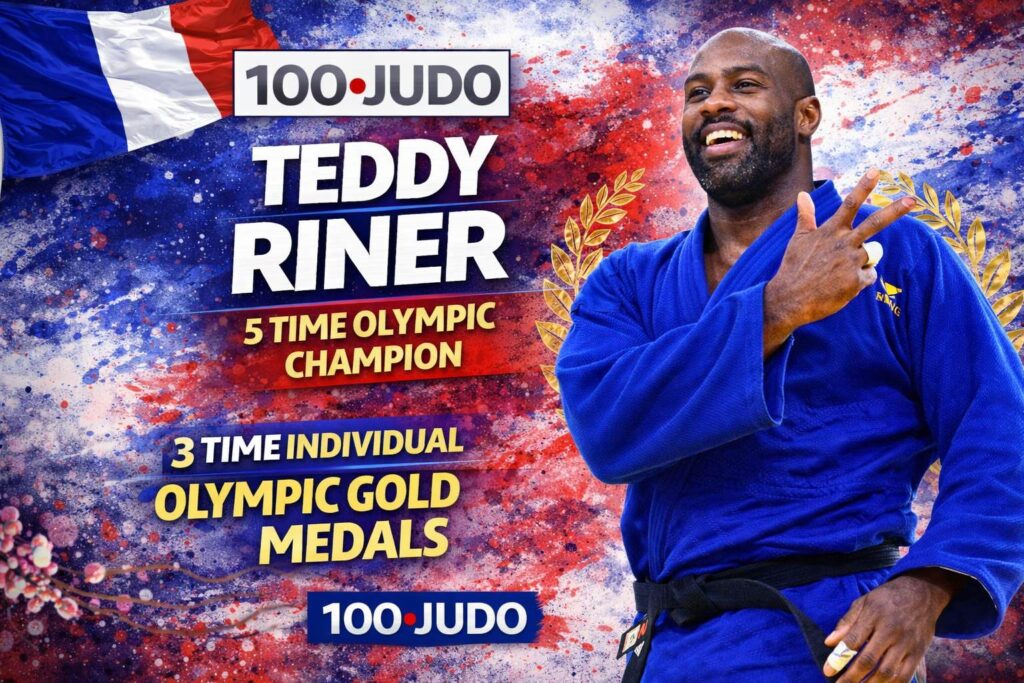
Nothing showed that better than the Olympic team final in Paris against Japan. Score level. Gold on the line. Everyone expected Riner to save the day. Inside, he was empty. Exhausted. Overwhelmed. His first thought was not heroic. He hoped the moment would skip him. But it did not. And he stepped forward anyway. That is not fearlessness. That is responsibility.
His approach to judo itself follows the same logic. Riner does not lose sleep over opponents. He does not build game plans around stopping others. His focus is always the same: make his own judo so strong that it decides the fight. It is not arrogance. It is deep self belief. Control what you can control. Everything else is noise.
That is why he survived rule changes, generations of challengers and shifts in fighting styles. Size and strength helped, of course. But they were never the whole story.
In the end, this podcast reminded us of something important. Teddy Riner was never just a monster on the mat. He lasted because he understood when to push, when to protect himself and when to let go. Because he made space for family, doubt and failure. In a sport obsessed with invincibility, Riner shows us something better.

Back to the overview